Archive for ‘Productivity’ Category
How to Use Time Tracking to Improve Your Productivity
Have you ever reached the end of a day, collapsed onto your couch, and thought, “Where did the day go?”
Time is slippery like that—it vanishes into the ether when we’re stuck in meetings, running errands, or just hanging out and taking a truly shocking number of trips to the fridge.
Back in May 2020, I wrote Does Anybody Really Know What Time It Is? 5 Strategies to Cope With Pandemic Time Dilation. That post looked at how stress and the lack of novelty in our days (such as during lockdown, when every day is much like any other, or that mystery week between Christmas and New Year’s, where nothing feels “real”) can make us lose touch with our experience of time.
Conversely, how do you feel when your schedule is jam-packed with back-to-back client meetings, or there’s no breathing room between getting the kids to school and yourself to work and then reversing course at the end of the day and taking care of everyone else’s needs and you don’t have a minute to exhale? (Did you feel out of breath getting to the end of that run-on sentence?)
When we don’t have variety — it’s the spice of life, or haven’t you heard? — or we’re overtaxed without the chance to pause and reflect, time can cease to have any meaning.
That’s where time tracking comes in: it’s like a GPS for your hours, showing you exactly where your minutes travel without you noticing. Unfortunately, the idea of logging every little thing you do can feel about as appealing as untangling a drawer full of mismatched USB charging cables. It doesn’t have to be that way, though.
This past week, I’ve been participating in Laura Vanderkam’s Time Tracking challenge. (She has a free Time Makeover Guide and time-tracking spreadsheets in 15-minute and 30-minute increments, each in PDF, Excel, and Google formats.)
I’ve done Laura’s challenges each January for several years, and am always intrigued by how it impacts my productivity during the week even before I start analyzing the data. (More on that next week!)
Before we move on, I have to put in a plug for two of my favorite books Laura’s, her classic 168 Hours: You Have More Time Than You Think and the oft-mentioned Tranquility by Tuesday: 9 Ways to Calm the Chaos and Make Time for What Matters.
Today, we’re going to look at the perks and pitfalls of time tracking and see how to make it work for you (without driving yourself loopy).
The Benefits of Time Tracking
If you’ve ever worked a job where your supervisor required you to report what you did with every moment of your day, you may be (understandably) disgusted with the concept of time tracking. When forced to track the minutia of your day for someone else to analyze it, you can feel judged, micromanaged, maybe even infantilized.
However, when you track your own time, it can be empowering. In fact, time tracking may reveal some surprising insights about your daily habits.
Yes, you may have scrolled your social media feed for far too many sessions for your comfort, but tracking your time might help you see that right before most of those digital mental escapes, you were dealing with cranky customers or a stress-inducing in-law, or you were sluggish post-meal.
No one moment stands on its own, so tracking your time doesn’t merely show you what you’ve done, when, and for how long, but shows the pattern of your time usage. Whether your behavior is consistent or inconsistent over time can help you dig a little deeper than knowing you worked on a blog post for 47 minutes or that you spent an hour and a half at Target.
Let’s look at some of the ways time tracking helps.
Mindfulness and Focus
By virtue of measuring something, we bring our attention to it. Without attention to how you’ve been spending your time, there’s little chance of intentionally spending in more effective and efficient ways.
If I asked you what you did last Friday afternoon, you might recall a major event you’d been working toward, unexpected occurrences (whether positive or, more likely, negative), and annoyances (whether large or small), but remember little of the granularity of your day. Time tracking helps you identify, in as granular and detailed a way as you like, how you really spend your time vs. your perceived activity and time usage.
Once you mindfully pay attention to what you’re doing (or have just done, over the last half hour) and log it, it will be easier to highlight when you’ve been inefficient (e.g., fighting with a piece of software vs. having someone help you figure out what’s wrong) or areas for improving what you do, how you do it, or when you do it, and figure out what you might want to delegate, or stop doing altogether.
But you can’t go by your gut, because your gut makes small annoyances seem larger (especially if they are repeated over time) and as though they lasted longer than they actually did.
Tracking our time allows us to measure how we deal with all manner of experiences, and that focused attention helps us better predict our future time needs.
Prioritization
It’s not only a matter of catching yourself “wasting” time, or even spending too much time on the wrong thing. Time tracking clarifies which tasks consume the most time and effort; it’s your role to analyze whether the things taking the most time represent what’s the most valuable.
Are the unimportant things taking a lot of time, leaving you few high-focus and high-energy sections of your day to focus on what’s meaningful?
Do your actions and the use of your time match your goals and values?
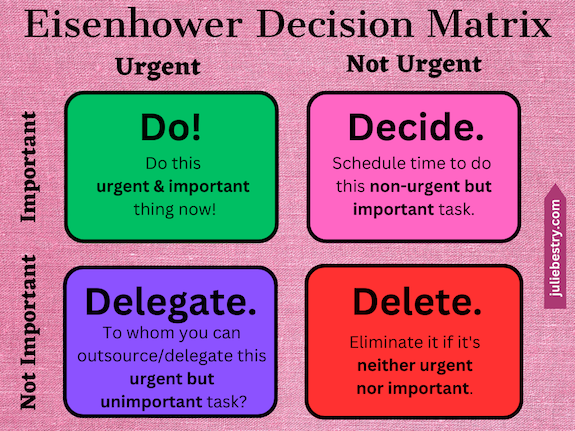
Do your actions and the use of your time match your goals and values? Share on XOf course, not everything that takes the most time is the most important for you to accomplish, and vice versa. Time tracking, and seeing how much time you currently put into accomplishing certain tasks, can help you distinguish between what’s “urgent” and/or “important,” as we’ve frequently discussed when reviewing the Eisenhower Decision Matrix.
Only then can you “wasted” energy toward what really matters.
Data-Driven Decision-Making
Having actual numbers to back up your interpretation of what’s working (and what’s not) in your schedule is a game-changer. It will grant you actionable insights — prompts for what to do differently — to optimize your current routines and workflows.
When you time track, you’ll have a real-time account of where your time goes — towards what is:
- important and urgent
- important but requiring scheduling during your “deep work” hours
- urgent but unimportant and can be delegated, and
- what’s really so lacking in urgency and importance that it can be drop-kicked into Never-never Land.
In this way, time tracking supports goal-setting and monitoring progress over time.
Time tracking identifies how long tasks take, enabling better planning based on more realistic estimates of how long certain tasks will take to complete in the future.
Stress Busting
Oh, and those realistic estimates time tracking produces? They can reduce overwhelm* by showing you what you can reasonably do (and what you can’t) in the course of a day so that you’ll stop trying to ten pounds of sugar tasks into a five-pound sack of schedule.
If you can clearly see that you can’t get a blog post done in an hour when your kids are at home (or that trying to get it done in one long sitting will keep you from getting seven other things done), you’ll stop forcing yourself to live by unreasonable, unrealistic expectations.
In turn, this can empower you to set better boundaries (for yourself, and for others who demand or encroach on your time) and ensure you schedule breaks more effectively so that you’re doing high-focus deep work when you have high mental energy.
Accountability
A well-known saying is that what we measure gets done. If you’ve ever been in Weight Watchers, you know that they make you log everything you eat. When you know someone’s going to look at your seventeen logged mini Reese’s Peanut Butter Cups on Thursday night, you’re more likely to put the bag back after your third nibble, and maybe lose some weight.
Similarly, while the purpose of tracking time is to get a realistic take on what you’re doing with your time, knowing that you’ll be judging your time use later may help you avoid self-soothing “time wasters” when you’re on deadline and need to stay on task.
Time tracking encourages greater tasks focus in real time. You’ll anticipate, note, and deter distractions when you’re aware of how every minute counts toward your goals. (And while you may not like the experience of judging yourself, it’s better than when your boss does it, right?)
The Challenges and Obstacles of Time Tracking
The concept of time tracking is a great one, but even great things can be problematic. We need to be realistic about how it can trip us up so we can avoid falling over Dick Van Dyke’s ottoman.
Time tracking can be a time sink. Remember that asterisk above about how time tracking can reduce overwhelm? It can, but when tracking your time feels like it’s eating into your day because you have to stop too often to note what you’re doing, you may get frustrated.
Time tracking can interrupt your flow. Some people try to track their time so contemporaneously with their actions that they can’t focus on their deep-focus or creative work.
Time tracking can be boring. There’s tedium in tracking everything. Time tracking can feel counterproductive if you’re taking time away from productive activities to note what you’re doing too many times in the course of an hour.
Time tracking may be used to procrastinate. If you don’t like what you’re doing, either at work or with your life, it’s easy to spend a lot of time fussing over color-coding or pretty fonts (or all the bells and whistles of a digital tracker) to the point where you’re not really leaving much time for the real work.
Perfectionism paralysis can be a type of procrastination. If you obsess over every detail of how you track your minutes, to the point that tracking your time causes you to stress about starting any task, very little of your actual work will get done.
Additionally, resistance to change can short-circuit your efforts in two ways.
First, for people who have mental roadblocks to starting a new habit, it can be difficult to train themselves to track their time. If you’re resistant to making the effort to track time, none of the benefits of time tracking can be reaped.
A second, more insidious problem is that the data you get — and the realization of what you’re really doing with your time (whether wasting it or giving too much time to others as a people pleaser, or just being stuck in crummy jobs or relationships) — may force an issue you’re not ready to deal with.
For time tracking to be meaningful, you have to ask yourself: are you ready to confront your inefficiencies or bad situations? And are you ready to make changes based on what you learn?
For time tracking to be meaningful, you have to ask yourself: are you ready to confront your inefficiencies or bad situations? And are you ready to make changes based on what you learn? Share on XFinally, the prospect of time tracking can trigger privacy concerns. If you’ll dillydally over selecting a digital time-tracking tool because of concerns over privacy, you have two alternatives: choose tools that respect your data boundaries or opt for analog tracking.
Make Time Tracking Work for You
So, how do you avoid those pitfalls?
Start Small
If you anticipate feeling overwhelmed by the practice of time tracking, know that you aren’t bound by any overly ambitious practice. Take baby steps.
For example, aim for a single-day experiment on a random Wednesday when you’re not anticipating major kerfuffles in your schedule.
Similarly, don’t feel like you have to start out with too granular a measurement. I generally track in 15-minute increments, but you might feel more comfortable in 30-minute slots. You’re not writing down the call you made at 1:02 p.m., 1:16 p.m., and 1:22 p.m., but rather “Made client confirmation calls” from 1-1:30 p.m. If that thirty minute slot of one category of activity yields enough information, so be it.
Once you’ve tried a one-day tracking effort, you could opt to expand, gently. For example:
- Try one tracking day per month, changing the day of the week each time. You get two chances at a “normal” Monday, Tuesday, Wednesday, Thursday, and Friday, and can either take two monthly breaks, maybe during summer vacation and December, or use some months to track weekend days to analyze how your personal time is flowing.
- Consider one time-tracking week each year. As noted, I do this as part of Laura Vanderkam’s annual January challenge, but you could do it each spring as a time management refresher, or to coincide with the fresh start of back-to-school each fall.
- Track just the time that you suspect is harboring your time gremlins and vampires. If you (and your team) are satisfied with all you accomplish during the workday, but you feel like you’re doggy paddling at home, then tracking your office tasks may not be necessary.
Pick the Right Tools for You
When I track my time, I do a week at a time on an Excel spreadsheet with columns for each day of the week and rows for each quarter hour, which I keep open but minimized on my screen.
You could use a pre-made tracker or create one for yourself. Or go really low-tech and draw or write out your daily blocks of time from waking to bedtime on a sheet of notebook paper or graph paper — or just track your work hours. (But remember, if you do decide to color-code or make it fancy, do that during your planned recreation time time and not during the period you should be doing the logged, tracked work!)
Alternatively, there are numerous digital time tracking software programs and apps, including:
- Rescue Time — This is the grand-daddy of time tracking software; I wrote about it seventeen years ago, when I first started blogging. Rescue Time will automatically track all of your computer-based work and then provide reports on your time trends. Rescue Time has solo and team plans, all paid (after a 14-day free trial).
- Toggl Track — This veteran platform offers free (for up to five users) automated time tracking, making it ideal for solopreneurs and freelancers, with paid versions for teams. It’s accessible from anywhere via computers or mobile devices.
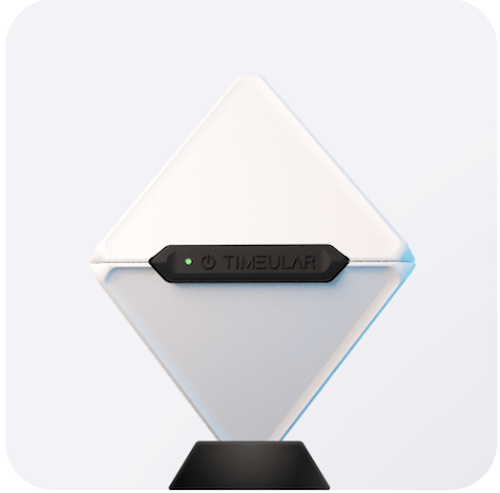
- Timeular — If you want completely seamless time tracking that’s operating system-agnostic (it works on Android, iOS, Windows, Mac, Web, Linux) and an offline tracking option, Timeular may be for you. However, note that it’s paid-only (after a 30-day free trial). Timeular also has an AI tracker and a cool physical tracker (an eight-sided doohickey where you can assign and link facets of the doohickey to categories of work you do).
- Clockify — This time tracking software has plans ranging from free, basic, and standard, to pro and enterprise levels, with increasing variety of features. It’s more basic than Toggl Track, but also feels a bit easier to learn. Even the free level has unlimited tracking, reports, projects, and users.
- Harvest — This offers free, pro, and premium plans and is designed for freelancers. It’s available for all major operating systems (Android, iOS, Windows, Mac, Web, as well as browser extensions). While it’s simple to learn and has myriad integrations with other software programs, the free plan is fairly limited. (If you’re just starting to explore time tracking, though, simple is better!)
- Memtime — This has a pretty minimalist interface, so the simplified, automatic time tracking makes it super-easy to use. However, it’s only available for desktop use (so, no mobile tracking) and it’s a paid-only platform (after a 14-day free trial), so it wouldn’t be your best option for first-effort time tracking. Above the basic level, it offers a wide variety of software integrations. Note that Memtime claims, “We’re the only automatic time tracker that guarantees privacy by keeping your activity data offline.”
If you want something less corporate and more minimalist and mindful in a time tracker, you might want to look at Hourlytics (iOS-only) or Balance (MacOS-only). If everything you need to track is computer based, Monitup has an AI-based tracker, but if you’re cool logging everything on the phone, HoursTracker® Time Tracker works on iOS and Android.
Only you know what kind of tracking system — analog, basic spreadsheet, or digital app — will keep you committed to the experience.
Think Patterns, Not Perfection
It’s easy to note one-off times where you went down a rabbit hole on a particular research project or social media thread, but don’t beat yourself up over less-than-ideal time use.
Punishment isn’t the point! Instead, remember that one purpose of time tracking is investigating what doesn’t work so you can find what does.
Because of this, focus on trends. Are you always in a slump after lunch, distracting you from high-focus mental tasks? Maybe you need to schedule more physical tasks until you work off that post-lunch sluggishness, or try tasks that take less brain power.
Set Goals, Then Support Them
Your time tracking efforts will yield a wealth of information about what you’re doing that barely registers in your mind as a “task” (like picking up after your kids or straightening the company supply closet because everyone else leaves it a mess). You’ll see what’s taking too much time, what should be scheduled at different times (or delegated or given up on altogether), and where you have opportunities to do more things or do the same things differently.
Use what you learn from time tracking to help you set your goals; think: what gives you joy or feeds your values? Then schedule supporting efforts in a way to improve your productivity on the things that matter the most to you, whether it’s for money-generating work or happiness-generating life.
The Big Picture
I get why time tracking has a bad rap. If you ever had a bad boss like Gary Cole’s passive-aggressive Bill Lumberg from Office Space, you probably only remember the nasty edge of being asked to track your time.
We should reframe time tracking as a positive, empowering practice, just like practicing mindfulness, gratitude, yoga, or anything that benefits personal development. If we choose to see time tracking’s value as a learning tool about ourselves, rather than a rigid system leading to pejorative judgment, we can reap some pretty impressive benefits.
Time tracking doesn’t need to be done 24/7/365. And tracking your time without reflecting on what your data tells you is going to have fairly limited results. But periodic time tracking, with reflection and review of that data, will help you refine your routines so your schedule of what you do and when you do it can guarantee more wins. Just remember to:
- Find balance — Be just comprehensive enough in your tracking to yield good, meaningful data, but not so much that it becomes a source of stress or uses too much of your time. Make your system flexible.
- Embrace the unexpected — Be openminded about what you find. Even the act of tracking less-productive moments (hello, social media!) can teach you something about yourself and your needs — variety in your workflow, downtime, or maybe even for a different job or relationship that builds you up instead of draining your energy and causing you to self-soothe to inefficient levels.
Time tracking is your personal productivity GPS. Use it to help you read the map of your life, identify where you are, and travel the best possible path to your preferred destination.
Today’s post was about the literal passage of time — being mindful what we are doing with it — so that we can be more productive and self-aware.
But as I noted at the start, time is slippery. I’m sure you’ve heard the expression, “The days are long, but the years are short.” We spend a lot of time rushing to accomplish tasks, mostly for others but sometimes for ourselves, but our awareness of time (and the passage of it), both on a daily basis and as the infrastructure of our lives, can be murky.
Next week, we’re going to look at how we can do more to appreciate the speed of the passage of time to organize a life that better reflects what we want. I’ll also share tools to help us stay mindfully aware of the passing of our moments, our days, and our years.
Do you track your time? Share in the comments!
Organize Your Way Out of the Winter Doldrums

Sigh. the musical Annie may be right that “The Sun’ll Come Out Tomorrow,” but the sun never came out yesterday.
Granted, it was a rainy day, but in addition to the dark, dreariness of the day, and the too-swift passing of a December Sunday, the sun went down without my noticing because it really never seemed to come up. As I may have alluded to in Organize Your Sleep When the Clocks Change and Beyond, I’m not much of a fan of Standard Time. I like lots of sunshine, and particularly want long, light evenings to run errands and move about in the world.
We’re in a darker, gloomier time of the year here in the Northern Hemisphere. That, combined with the wonkiness of the end of the year, makes this a weird time. Some folks are delighting in preparing for the holidays, getting ready to entertain and celebrate, but over and over, I’m hearing from friends and clients alike that they aren’t quite “feeling it,” or at least not yet.
A few people have asked, having jokingly, if there are ways to organize yourself out of feeling out of sorts at the end of the year. I think there are.
This is the final “normal” week of the year. Next week is Christmas and the start of Hanukkah, and the week after, is New Year’s. While many folks are (or will be) with family and celebrating, there are many who are feeling a walking-through-molasses sluggishness at this time of year. Half their co-workers are out of the office, and while some clients are expecting attention, there’s a widespread, tacit understanding that nobody is starting anything new for the next 2 1/2 weeks.
So, if you’re in your annual happy place, please feel free to skip this week’s post. But if you’re grumbling about the dark and the cold, about another year over and about the “meh” of it all, I have some suggestions.
COPING WITH THE “BASEMENT WEEKS” OF THE YEAR
These weeks aren’t just the bottom of the year. They can feel dark, cold, even soggy. There’s a hurry-up feeling just before the holidays and, for most, a drop-off in delight between the holidays and again at the start of the year.
But winter really can be the most wonderful time of the year if you have the right mindset, according Kari Leibowitz, PhD., a Stanford-trained psychologist. She’s written a book on how to improve mental health by changing how you think about the winter months.
Leibowitz moved to Tromsø, Norway, above the Arctic Circle, to live for a year. For two entire months, the sun doesn’t rise in Tromsø! You’d think everyone there would be crabby and stabby during that time, but she found that the community approached the season with a chipper mentality. She similarly explored places on earth with “some of the coldest, darkest, longest and most intense winters, and discovered the power of “wintertime mindset”— viewing the season as full of opportunity and wonder.”
To help those of us (who can at least feel grateful that we’re not above the Arctic Circle) starting to struggle with finding inspiration this time of year, Leibowitz wrote How to Winter: Harness Your Mindset to Thrive on Cold, Dark, or Difficult Days.

Get Psyched for Winter
Liebowitz says that changing our mindsets about winter is key. Apparently, we tend to psych ourselves out, adopting a mindset that assumes that winter will be grim, so it feels that way. I get it. As a professional organizer, I’ve seen how often people expect that organizing will be boring and that they’ll be grumpy, so when they do it on their own, it is. They’re surprised when a professional organizer comes in and treats the experience as hopeful and (dare I say it?) entertaining?
As an organizer, I approach working with a new client, or even a new session, by focusing on the possibilities of finding delight. I see myself, in partnership with a client, as an explorer, a detective, an anthropologist, and more. Because I expect fun, I will (generally) find it (and get to share it with the client).
Confirmation bias is the tendency to look for, and interpret, new evidence as confirmation of one’s existing beliefs or theories. If you expect winter to be misery-inducing, you’ll find signs of it everywhere.
Easier said that done? Maybe not. Instead of seeing winter as two potentially fun (but possibly disappointing) weeks followed by months of darkness, we can look for ways to see winter, as a whole, as fun.
Create a Winter Wonderland in Your Space
I’m sure you’ve heard about hygge. A few years ago, books about hygge, the Danish approach to winter coziness, was all the rage. (If you need an introduction, The New Yorker‘s 2016 piece, The Year of Hygge, the Danish Obsession with Getting Cozy, is a great place to start.)
Western articles about hygge tend to focus on the physical atmosphere. Every single piece will reference candles. The Danes are very big on candles being comforting. Personally, I worry about candles getting knocked over. If you have pets and tiny humans, consider safe alternatives to lit candles, like fairly lights or tiny, flickering LED tea lights.

If you have a fireplace and don’t have to worry about kids or creatures in close proximity, consider making a ritual out of lighting a nightly fire to increase the cozy atmosphere.
There’s no official hygge-ness to it, but I think it’s wise to create a winter beverage station. Think about the coffee stations you see in bed & breakfast venues and boutique hotel lobbies. Consider investing in a cute tray and a variety of teas, coffees, mulled ciders, and hot chocolates. Buy a few tiny bottles of flavoring syrups, or fill a glass canister with mini-marshmallows. Whether you’re working from home or recovering from exposure to a snowy day, your daily beverage experience can be a ritual for emotional, as well as physical, warmth.
If you’re up for some “scentsational” improvements, extend the scents of the holiday season and use essential oils like cinnamon, pine, or citrus. (Generally, I prefer unscented products, but am obsessed with buying citrus-scented foaming hand soaps. Even before COVID, I was in the habit of washing my hands as soon as I came in from the outside world — you never know what supermarket shelf had germs! — and those citrusy, foamy bubbles and warm water are a great transition when you first come in out of the cold.)
Increase comfort in various places in your house. Plush blankets are soft, warm, and nurturing. The weather outside may be frightful, but you can feel snuggly the whole day (and night) long.
Fellow GenXers may recall how cozy it was to wear leg-warmers in the 1980s, both inside and outside. You might think leg-warmers disappeared when Jane Fonda workout videos did, but they’re still available in a variety of styles and colors.

It’s not necessarily hygge to use them this way, but on a day where you need a lift, dance around your house to a TikTok video and pretend you’re an extra in an episode of Fame.
Organize Your Winter to Embrace Hygge Attitudes
In addition to the physical comforts that can improve your mood in the winter, there are hygge-related attitudes (irrespective of holidays) that can give you some uplift when you’re struggling against the (literal or figurative) darkness.
- Be present — It’s so easy to get caught up in the news and crummy things happening halfway around the world or just elsewhere near you, but miss the small treasures in your own life. Be present in the moment by stepping back from technology. For more reasons and inspiration, read my post, Celebrate the Global Day of Unplugging.
- Add pleasure rituals to each day — You can counteract the glumness of winter by adding little treats to your day (and to the days of everyone around you). Call a friend to come over and hang out while you bake cookies. Of course, winter treats don’t have to be caloric. Come home after a work day to glory in a bubble bath. Try skincare rituals that may have seemed like silly luxuries before, like a face- or full-body sheet mask.
- Create a cadence to the week with personal and social rituals — Rituals added to the ebb and flow of your week can make the winter pass more quickly. For the next few months, try having a standing date with friends, whether it’s a low-effort Sunday dinner (rotating houses), board-game afternoon, or a movie night. Consider pancake/waffle breakfasts on Saturday with the kids and experiment with different types recipes or shapes. The key is that you don’t have to go out in the winter weather (though you could) to have something to look forward to each week that’s not a big production, but that will lift your spirits.
- Practice gratitude — Hey, at least you don’t live above the Arctic Circle. At least we don’t live in horse and buggy days and have to get our drinking/cleaning/bathing water from the river. At least there’s Zoom and Door Dash and electricity. Be thankful for small mercies, for loving friends, or for whatever you don’t have that you don’t want. Journal, write gratitude lists, or write notes to the people to and for whom you are grateful! Imagine how getting such a note could brighten their winter days!
- Volunteer — If you’re having trouble even feeling grateful, consider volunteering with a local charity, at a shelter (for unhoused persons, for victims of domestic violence, for animals looking for their forever homes, etc.).
- Practice mindfulness — The Polish website Prze Kroj’s Mindfulness Exercises for a Cold Day provides a variety of approaches to reframing the thoughts we have about the stagnation of these dark days (“Oh, no, another year is ending and I still haven’t written my novel!”) and offers ideas for positive reinforcement and self-awareness.
Behave “As If” and Upgrade Your Winter Activities
I will never ski. I ice skate maybe once every fifteen years. You know how some people are “at one” with nature? I am at two with nature.
But Leibowitz found that the folks of Tromsø found ways to spend their winters living more closely in sync with nature, adapting to the seasons by giving in and taking cues from our animal friends. Perhaps we need not hibernate, but that hygge coziness (resting more, slowing down) apparently blends nicely in concert with Thumper and Bambi (playing outside).
So, following Leibowitz’s advice that we act as if we were outdoorsy folks, we could:
- Take an energizing walk when the sun is out. (You may recall from the Organize Your Sleep When the Clocks Change and Beyond that getting daylight helps reset the body clock so our insides know that it’s time to go night-night.)
- If you’re not me, try a winter sport or activity that’s less about competition and more about having fun: ice skating, sledding, skiing (downhill or cross-country), snowshoeing, tubing, tobogganing. etc.
- You don’t have to be athletic. You and the neighbor kids (or the cute neighbor guy, if your life imitates a Hallmark movie) can make a snowman or build a snow fort.
Love and Other Indoor Sports
Of course, you don’t have to go outside. Leibowitz recommends the dark winter months are ideal for engaging in “low-arousal positive activities,” — activities that give us a warm glow rather than ruddy faces and iced-lung wheezes.
If you’d like to explore an activity that makes the winter brighter or cozier but without having to put on your shoes, winter is a great time to organize your hobby exposure.
- Take up a craft or hobby. Give yourself permission to be terrible at knitting or painting. Nobody needs to know.
- Explore an online class (live or recorded) to learn how to do something (cook, take better photographs, do those viral social media dances) or just to know something (about the Holy Roman Empire, or what are the other parts of a cell, because all you remember is that mitochondria is the powerhouse of the cell, and there must be more to it).
- Take up an indoor physical activity. Every January, people sign up for gym memberships as part of New Year’s resolutions. They go a few times and their motivation peters out. Don’t let winter beat you up or guilt you out. Try an online exercise class. There’s a reason why Yoga with Adriene is a perennial favorite, even with those of us with wonky balance and no flexibility. Adriene and her doggie offer a comforting yoga practice, and you don’t have to switch out of your jammies and into Spandex. (Though you might want to try out the aforementioned leg-warmers!)
Conversely, go the reverse route. Instead of trying something new, reinvigorate yourself with the love of something old.
From my late twenties and through my thirties (and beyond), I had a favorite regional band, The Floating Men. They weren’t MTV-famous, but I attended their small- and medium-sized venue concerts in various cities where I lived (or traveled to) and always felt immense joy as we all (The Floatilla) sang along and danced with revelry.
The band stopped playing gigs as their grownup careers got in the way, but last year, they announced they were going to start performing again. There wouldn’t be shows every few weeks, but there would be a show in Nashville and I was jazzed! But it sold out in moments. They added a second show. It sold out right away again. I shrugged and figured I’d just comfort myself with the CDs that have sustained me for decades.
I was surprised and delighted when they announced a show here in Chattanooga, and I managed to get tickets; that show, too, had sold out quickly and a second night was added, and as frugal as I am, I arranged to go to that show, too. I’ve been listening to the band’s music for a long time, but in the months since I bought the ticket, I listen much more often, singing out loud and dancing around the house. I’m remembering the concerts, but also the joy of hearing the music for the first time, or introducing it to others. Sometimes, recalling old loves can kindle new sparks.
What old loves can you bring back into your life? (No, don’t call your ex.)
- Re-read books that brings you joy or comfort — I re-read all the Jane Austen novels almost every year. (This winter, I’m considering a movie marathon over weeks, watching every movie based on an Austen novel.)
- Listen to music from your youth — Listen to your tangible music formats or go to Spotify, but pretend it’s your senior year of high school or college and play what thrilled you back then. If it’s Squeeze’s Singles – 45’s and Under, let me know in the comments and we can sing Tempted together over Zoom.
- Re-binge your favorite shows from way back — Chances are good that there are shows you loved back before there were DVRs (or even VCRs). Watch them again, and maybe share the love with a partner, friend, or kid who never experienced the show the first time through. (I’m ready for a Buffy the Vampire Slayer rewatch.)
- Listen to podcasts that review the stuff you loved — I’m a sucker for podcasts where fans talk about TV shows, but also where actors talk about the shows they were in, and each show focuses on one episode. I loved The West Wing Weekly when there was a new episode every week, and my plan is to start listening to I Am All In, Scott (Luke Danes) Patterson’s Gilmore Girls podcast.
And as long as I’m talking about Gilmore Girls, have you seen the new Walmart commercial with the cast?
Unlike some of the rest of us, Lorelai loves winter. If you’re a fan, you know how happy she gets when she can smell snow.
The point of all of this is that you can use the darkness of winter as permission to slow down, rest, and rebuild for a coming spring. Soon enough, we’ll be talking about all you want to accomplish for the new year. Until then, maybe reinvigorate yourself gently?
A PERSPECTIVE TO HELP YOURSELF LET GO
Organize Your Sleep When the Clocks Change and Beyond
Are you feeling wonky? If you live in North America, you turned your clocks back (or let all your digital ones do it themselves) over the weekend. (If you live in the UK, you did it a week ago. I don’t know what’s up with that, but you may still be feeling wonky.)
Although most of the negative effects of time change happen when we are springing forward to begin Daylight Saving Time, falling back to end it can still leave people struggling to wake up and feeling out of sorts for a few days, leading to some bumps in productivity.
So, if you’re feeling a little rough, don’t worry. Today’s post offers some gentle tips for feeling a little more at ease when the time on the clock and the time inside your head don’t feel friendly toward one another.
HELP YOUR BODY ADJUST TO THE TIME CHANGE
Whether you’re dealing with the time change in the spring or fall, the best way to adjust is always to shift your schedule gradually.
Unless you’re the kind of person who misses all the reminders about the clock change and shows up an hour late (or early) to Sunday brunch, or worse, for work on Monday, you have advanced warning. When the time change is on the horizon, adjust your bedtime and waking time by ten or fifteen minutes each night for several days prior. (Make a note on your calendar to start this at the beginning of March; Daylight Saving Time starts on March 9, 2025! I’m already counting down.)
This kind of incremental approach is supposed to give your body the time to adapt. Of course, we’ve just changed the clocks, so that option is out. Still, consider the following steps for helping your body adapt to the time shift. You’ll find that these steps are generally the same ones for attaining recuperative sleep, overall.
Be the Early Bird and Get Morning Sunlight Exposure
I’ll be the first to admit, I’m terrible at mornings. I’d happily take a flight or attend a Zoom at 3 a.m. before going to sleep, but I’d be hopeless doing the same things at 7 a.m. Early morning sunlight makes me growl. However, my science-y pals swear that natural light will help reset our internal clocks.
The research on circadian rhythms says that cycles of sunlight and nighttime darkness keep our bodies synchronized with our environment and signal our “circadian pacemakers.” This pacemaker is particularly sensitive to light in the morning and the evening, so evening light (such as we have all summer) causes a phase delay, so we don’t get tired until later and then we wake up later. Conversely, when we are exposed to bright sunlight in the morning, it causes a “phase advance,” and we start getting sleepy earlier and awaken earlier.

Sunrise Coffee Photo by Taryn Elliott
So, exposure to sunlight signals your body that it’s time to wake up; just some light permeating through your eyelids will have some kid of wakey-wakey-eggs-and-bacon-y effect. So, actually spending twenty minutes outside in the morning will help you feel less sluggish.
If the temperature allows it, take your breakfast out onto your back patio or balcony; you can enjoy your morning coffee on your front step, but if you amble out in your jammies, at least make sure you’re properly covered up as the school bus goes by.
Improve and Optimize Your Sleep Environment
We hear it all the time: it’s important to set a consistent sleep routine.
If you’ve been living the life of a college student (or a new parent) and are all out of whack (and this has been compounded by the end of Daylight Saving Time), be patient with yourself. Know that your body will need time to adjust to whatever changes you make, but sticking to a regular bedtime and wake-up schedule (sigh, even on weekends) will improve your odds of getting better quality sleep and more of it.
Research shows that your sleep experience will improve if you consistently do the following:
- Keep your bedroom dark. Close your blinds or curtains. If you have old-style horizontal Venetian blinds, you may find they let in too much light. If so, try twisting them “backward” such that the curved portion faces outward. Alternatives are the more modern, wider, vertical blinds or roller shades in darker colors.
Another great option is a blackout curtain, which is designed to eliminate as much natural light as possible. Note that the longer the curtain extends from the bottom of the window toward the floor, the less light will seep out.

If there’s a curtain gap (which always seems to happen when you’re staying in a hotel), try pinching the curtains together with clothespins or the clips of a skirt hanger.
Admittedly, if you block out all natural light, you won’t be awakened by the brightness and warmth of the sun. This increases both the importance of getting into the sunlight once you DO wake up and also necessitates a less natural method for shaking yourself out of slumber. For the latter, check out Do (Not) Be Alarmed: Paper Doll’s Wake-Up Advice for Productivity for tips on heeding that wakeup call.
Don’t forget about tiny unnatural lights. So many digital devices blink or glow. My smoke alarm has a blinking green light. Routers and DVRs and all sorts of devices have blueish glows.
In my bedroom, I have an old-fashioned Caller ID box (connected to an old-school, weighty corded landline). It blinks. Incessantly. Every time I have a message, the red light starts blinking again. Listening to the voicemail message and deleting it has no impact; I must manually clear the Caller ID box. (Sigh. It’s a tradeoff. I love the large handset of this ancient phone, but it has no caller ID. The box serves its purpose of letting me know if the inbound call is from a delightful soul or yet another robocall about my auto warranty. But that red blinking light!)
If you’ve got bright or blinking LED lights on gadgets in your sleeping area (either at home or when traveling), consider getting a sheet of removable, adhesive blackout stickers to stem the indoor light pollution.

In addition to adjusting your lighting while you’re sleeping, train your body to sense the cycle of day and night by dimming your household lights as bedtime approaches. Experts say that lowering the lights helps signal your body that it’s time to wind down. Think about how you can gradually reduce your exposure to artificial lighting in the evening (without risking bumping into the furniture).
- Create a quiet environment. Quiet doesn’t necessarily mean silent. I prefer a combination of white noise: my central HVAC fan is turned to on (instead of auto, so I’m not constantly jarred by that thunk of it turning off) and my Rain, Rain thunderstorm app as I described in 11 Ways To Organize Your Focus With Ambient Noise. (Sometimes, what you want to focus on most is being blissfully unconscious.)

“Quiet” doesn’t only include your sleeping space, but also your mental space. Limit cognitively or emotionally intense activities before bed. Have you ever played a video game before bedtime and then found that your brain continues playing the moves in your head when you close your eyes? If you’ve spent hours reviewing a spreadsheet pre-jammy time, you might see those columns and rows and be unable to turn off your in-brain Excel.
For a few hours before bed, limit any activities that are emotionally stressful or require a high level of concentration. The goal is to avoid keeping your mind too active before bed, as that will make it harder to find your personal Sandman.
- Maintain some chill. The experts estimate that the best temperature for sleeping is between 60° and 67°F. Obviously, if you’re shivering, it’s going to keep you awake, but experiment lowering the ambient temperature combined with your preferred number of blankets. If you’re a “hot sleeper” or are at a period in your life when you’re experiencing hot flashes — let’s call them power surges — consider cooling pillows and bedding.
- Keep your bedroom organized. Yes, your eyes are closed once you’re asleep, but a cluttered room presents a few obstacles to falling asleep easily, or falling back asleep after a trip to the bathroom or to check on a tiny human.
I teach my clients that “the bedroom is for sleep, rest, and intimacy.” If your bed, nightstand, and floor are covered with children’s toys, you will be distracted from all three of those purposes, and you’re more likely to step on a piece of LEGO and wail in pain, keeping you from falling back asleep and your partner from sleeping soundly.
The bedroom is for sleep, rest, and intimacy. If your bed, nightstand, and floor are covered with children's toys or office work, you will be distracted from all three purposes. Share on XIf your computer is open next to your bed, or your work desk lives in the bedroom, or your credit card bills are piled near where you sleep, the chance of disturbed sleep is higher because those items will subconsciously cue your brain to fret over them when you’re trying to fall asleep.
Declutter your bedroom so that the floor around your bed is free of tripping hazards, and so the only things visible are those that are functional or soothing. I know, it’s easier said than done, but even taking a few moments to tidy your space (and training yourself and others not to bring non-bedroom-y things into your room in the first place) will have a positive effect.
Don’t be Blue!
As we talked about in Celebrate the Global Day of Unplugging, screens (computer, phone, tablet, or TV) and particularly the blue lights of screens from your devices, can interfere with your body’s ability to produce melatonin.
Find alternatives to screens in the bedroom, and consider different pre-sleep habits that don’t involve screens. You could journal, read a tangible book, do simple stretches while listening to soothing music, memorize a poem, or practice an uncomplicated craft. Define “uncomplicated” as you choose, but needlework that doesn’t require bright task lighting is going to be better than a craft that involves scissors, glue, and (eek!) glitter.
Don’t Do the Dew — and Limit the Moonshine, Too!
You may not think that one more fizzy beverage or cup of coffee will make a big deal, but a 12-ounce cup of Mountain Dew contains around 54 milligrams of caffeine. (An eight-ounce cup of coffee has 95 milligrams of caffeine!)
Caffeine can stay in your system for hours and have a detrimental effect on your sleep, so experts suggest avoiding it after mid-afternoon. (Yeah, I know this one is a toughie. What’s a diet Coke without the oomph of caffeine?) Remember, the goal is to relax your body so that you’ll sleep well and have natural energy for work or school the next day.
The experts similarly encourage people to limit drinking alcohol in the pre-sleep hours. One might aassume alcohol encourages relaxation, but it actually disrupts the sleep cycle, making sleep less restorative. For those who choose to imbibe, know that doing so earlier in the evening will minimize the negative impact on sleep.
Watch Out for Midnight Snacks
Experts encourage us to avoid heavy meals or snacks in the late evening. Larger meals closer to bedtime can take longer to digest and disrupt sleep.
However, if you’re hungry, that may also make it hard to fall asleep. Personally, I find that a small protein-packed snack and a tiny bit of carbs (like a handful of almonds or a few cheese and crackers stacks) helps my body find dreamland. Experiment to find what works for you.
Watch Your Daytime Habits
We tend to think of our pre-bed activities as the key to falling asleep, but getting our full eight (or more) hours requires a bevy of other self-care habits.
- Participate in an active lifestyle — This doesn’t mean you have to train for the Olympics or spend every day at the gym. But physical activity helps you sleep better.
Consider a yoga, tai chi, or qigong regimen in the evenings as shown in the following videos, or go for an early morning walk (with the bonus of getting morning sunlight).
Bedtime Yoga with Adrienne
5 Minute Tai Chi Flow for a Restful Night’s Sleep
Qigong for Sleep with Nick Loffree
If you are already active, just remember to avoid vigorous exercise close to bedtime, as it can be too stimulating, making it harder to fall sleep.
- Learn how to relax — It’s hard to conk out when our brains are focused on what’s stressing us out. However, even when we’ve cut down our mental focus on stressors, our bodies tattle on us. We hold stress in our muscles and joints.
In addition to practicing the physical relaxation techniques described in the above videos, find ways to mentally relax as you approach bedtime. Maybe you’re good at meditating — I’m not — but there are so many other options, too. Learn deep breathing exercises, journal, or take a warm bath before heading to bed. Do whatever you can, both throughout the day and as sleepy time approaches, to progressively relax your mind as well as your body.
- Hydrate throughout the day — We live in a hydration nation. Everyone seems to have a giant water bottle named Stanley. Being well-hydrated prevents fatigue, which helps maintain overall energy levels so you can avoid late-day napping, stay active, and adapt not just to the time change but to unexpected changes in your schedule.
An Occupational Health and Safety Administration (OSHA) report, The Cognitive Effects of Proper Hydration, spells out the key benefits of staying hydrated, including improved focus and short-term encoding of memories, better long-term memory recall, and improved critical thinking skills.
Additionally, research shows that “low water consumption tends to lead to worse moods, as well as headaches, confusion, and tiredness” and better hydration makes people feel calmer and in better moods. The steadier your mood, the more likely you’ll be relaxed enough to sleep well at night.
However, slow your hydration pace as you approach bedtime so you can minimize disruptions to your sleep. (If you wake up for a bathroom break, you’ll almost certainly never get back to that steamy dream with Jason Momoa.)
Don’t stop hydrating altogether, though. Our brain tissues have no way of storing water, and our waking brains need some hydration at least every two hours to function optimally. Drink water upon awakening to help you start your day.
- Watch out for naps — If you’ve had a rough night, a nap can help you recover, but keep it brief, to no more than 20 to 30 minutes.
Additionally, avoid napping late in the day (so, no pre-dinner snoozing), as it can interfere with your ability to fall and stay asleep at night. (If you’re feeling draggy, try drinking some cold water to pep you up!)
Instead, trying following one of the international approaches to early afternoon napping and recuperative resting that I outlined in Take a Break for Productivity — The International Perspective.
Additionally, the Mayo Clinic has some good advice for taking naps effectively in Napping: Do’s and Don’ts for Healthy Adults, and the book Take a Nap! Change Your Life. purports to change the reputation of naps for the better and help people improve their health through the right methods of napping. (You could always listen to the audiobook; worst case scenario, it’ll put you to sleep!)

Make Waking Up in the Morning More Appealing
For some of us, no matter how hard it is to fall asleep, we can’t bear to get out of our cozy beds. Consider organizing your resources so that whatever you have to face in the morning is desirable. Here are a few ideas:
- A pleasant alarm — that seems like an oxymoron, doesn’t it? — that gently wakes you, or one set to a radio station that will make you laugh or want to sing is a great way to nudge you from sleeping to wakefulness.
- A cozy bathrobe or dressing gown helps ease the shock of moving from your comfy bed to a house set more for cooler sleeping temperatures than warm wakey-uppies.
- A new shower head — TikTok kept tempting me and I finally gave in and bought one of those new filtered, hand-held shower heads. (It’s even got a doohickey so you can use it like a garden hose to clean the shower.) Whether you want a shower massage or a rainforest effect, upgrading your morning shower routine gives you something to look forward to. You may not jump out of bed, but perhaps you won’t grumble so much.
- A breakfast fit for Sleeping Beauty — In the ideal world, Jeeves would serve breakfast in bed. Failing that, aim for some special food or beverage treats, to make the morning meal inviting for the senses.
- Start a new morning routine — If you don’t have enough of an opportunity to read, put a good book by your breakfast setting and instead of doom-scrolling social media. Take a brisk ten-minute walk around the block instead of checking morning emails. Call your BFF (but only if she’s likely to be awake already) and develop your plans to take over the world.
Organizing your morning to do just a few things differently could yield all sorts of bonuses as the day goes on.
Organizing your morning to do just a few things differently could yield all sorts of bonuses as the day goes on. Share on XTake Your Sleep Health Seriously
If you have more than occasional trouble falling or staying asleep, don’t take things into your own hands.
- Don’t self-medicate. We already discussed how alcohol disrupts sleep patterns, but it’s common for frustrated sleepers to seek out other (problematic) ways to self-medicate via over-the-counter options.
Even the commonly suggested solution of melatonin supplements are not suitable for everyone. For example, melatonin can lower blood sugar, causing hypoglycemia in people with diabetes; it’s also contraindicated for people taking blood pressure medications, blood thinners, certain contraceptives, and anti-convulsant medications. (People who are pregnant or breastfeeding, or who have autoimmune or seizure disorders or clinical depression should also not take melatonin.)
- Talk to a medical professional. Paper Doll is a professional organizer, not a sleep doctor (and I don’t play one on television). If you consistently have trouble falling or staying asleep, confer with your healthcare provider to make sure you don’t have an underlying medical condition (like sleep apnea) contributing to your difficulties. If you do learn that you have a sleep disorder, you may also want to find a sleep specialist through one of the following
American Academy of Sleep Medicine (AASM)
American Academy of Dental Sleep Medicine (AADSM)
Your ability to be productive and organized in the daytime depends in large part of you successfully organizing your sleep at night. Sleep well!
WHEN WILL WE BE RID THIS INFERNAL CHANGING OF THE CLOCKS?
Your phone and computer likely change their own clocks. Your oven and microwave clocks likely do not. The clocks on my cordless landlines are triggered to change when receive an inbound call! I have a relatively glucometer (for testing blood sugar) and spent Sunday morning struggling with a multi-panel instruction sheet that made me feel like I was trying to fold a 1950s Rand McNally street map! There’s a reason so many people’s VCRs used to blink 12:00 all the time.
It’s not difficult. It’s just a little frustrating. We’re a quarter of the way into the 21st century. Shouldn’t we be past this by now?
If you are wondering why we still have to change the clocks, you’re not alone.
Those who would rather see the clock change go the way of the dodo cite sleep disruption and the resulting loss of productivity as well as increased risk of traffic accidents (in the spring and fall), mental health struggles (including Seasonal Affective Disorder) caused by decreased post-work/school hours of sunlight, and increased crime (because bad guys prefer their evil-doing in darkness).
The problem is that nobody can agree one whether to have permanent Standard Time (as in Hawaii and Arizona) or Permanent Daylight Saving Time. More than a dozen states have already passed legislation in support of keeping DST year-round, arguing it provides a better quality of life, with more light in the evenings. Paper Doll is generally in this camp. If you’re stuck at work all day, you probably want sunlight greeting you at the end of your workday so the winter hours don’t feel like drudgery. However, if you’ve got little kids, you probably don’t want them waiting for the school bus in the dark every morning.
Whether we go with Standard or Daylight Saving Time, there’s no way to make everyone happy, at least not until our AI overlords can update all of our clocks (and our circadian rhythms) in one fell swoop. Perhaps that’s why, although the Sunshine Protection Act of 2023 (which would have made DST permanent as of last year) received unanimous consent from the United States Senate in March 2022, the bill has languished in the House of Representatives. Sigh. How very disorganized of them.
Assuming our leaders don’t straighten this out, we’ll be changing our clocks yet again this March, so let’s at least take an opportunity to laugh about it, courtesy of the Holderness Family.
Organize Your College-Bound Student for Grownup Life: Part 3

Parents, you’re counting down the precious days left with your college-bound students. Meanwhile, they’re counting down until they experience “freedom” and (gulp) adult responsibilities. In recent posts, we’ve covered a wide variety of skills and information to ensure they are prepared for the world beyond having you as a backup ride, bank, chief cook, and bottle-washer.
Organize Your College-Bound Student for Grown-Up Life: Part 1 identified essential legal documents and insurance policies, and reviewed the key financial skills every first-year student needs.
Organize Your College-Bound Student for Grownup Life: Part 2 looked at communication skills, staying safe on campus and off, and the under-appreciated life lessons of mastering laundry.
This third installment of the college life skill syllabus delves into keeping all the time management balls in the air, developing an academic safety net, being a safe car operator, and social etiquette to ensure good relationships. There’s even a smattering of bonus life skills. Because, no matter whether your kids are leaving for college tomorrow or in four years, your job is to make sure they know how to be adults by the time they are adults.
We finish up with with a bibliography of reading resources for you and for your college-bound student.
HOW TO MASTER TIME AT COLLEGE
In high school, time is fairly regimented; the bell rings every fifty minutes, moving students on to their next classes. There’s study hall to get a start on homework, and teachers provide periodic, staged deadlines for students to show their progress and keep from falling behind; they turn in a topic idea, then a bibliography, outline, first draft, and finally a completed report. Class periods before tests are earmarked for reviews. Academic prep time is spoon-fed.
In college, the freedom to set your own schedule has the drawback of requiring an adult sense of perspective on prioritizing what’s important (and not just urgent or fun). Wide swaths of free time must be divvied up and self-assigned: for studying new material, doing problem sets, completing projects, and preparing for exams.
Food and clean clothes are not delivered by magic fairies; they may require transportation, funds, labor, and time!
College-bound kids may not want to take advice regarding time management, but try to start conversations to get them thinking about how to:
- Wake up on time — If they can’t count on conscientiousness, encourage them to make breakfast plans with a friend who can swing by prod them. Also, point them toward Do (Not) Be Alarmed: Paper Doll’s Wake-Up Advice for Productivity.
- Develop a schedule — In order to make time for academics, extracurriculars, sleep, exercise, and self-care, discuss the value of time-blocking and planning an ideal week, then tweaking as the semester goes along. Keeping a schedule in one’s head is a recipe for disaster; a paper or digital planner makes sure nothing falls through the cracks. A few helpful guides:
-
- Highlights from the 2023 Task Management & Time Blocking Summit
- Surprising Productivity Advice & the 2023 Task Management & Time Blocking Summit
- Paper Doll Shares Secrets from the Task Management & Time Blocking Summit 2022
- Struggling To Get Things Done? Paper Doll’s Advice & The Task Management & Time Blocking Virtual Summit 2022
- Playing With Blocks: Success Strategies for Time Blocking Productivity
- Develop and maintain healthy routines to support their goals — Brainstorm ideas for how to ensure healthy habits (exercise, eating actual meals somewhere near meal times, etc.) by linking activities to make a chain of positive behaviors.
- Don’t fight your body clock — In business, we’re often made to feel like there’s something wrong with us if we’re not morning people, but in college, people look askance if you don’t want to party all night. There’s no shame in needing an early night if you have an 8 a.m. class.
- Get out in front of procrastination — We procrastinate because we’re nervous about how something will turn out. We’d prefer our Present Self feeling comfortable; Future Self is on its own.
Explain how to beat procrastination by understanding its causes and then incorporating good planning, prioritizing, and decision-making techniques (like the Eisenhower Decision Matrix), and locating accountability support. These Paper Doll posts can help:
-
- Paper Doll On Understanding and Conquering Procrastination
- Use the Rule of 3 to Improve Your Productivity
- Frogs, Tomatoes, and Bees: Time Techniques to Get Things Done
- Count on Accountability: 5 Productivity Support Solutions
- Paper Doll Sees Double: Body Doubling for Productivity
- Flow and Faux (Accountability): Productivity, Focus, and Alex Trebek
- Paper Doll Shares 8 Virtual Co-Working Sites to Amp Up Your Productivity
They can even try some Study with Rory Gilmore videos, including this one that incorporates the Pomodoro Technique!
I can’t think of a better expert for your college (and college-bound high school) students, especially those with ADHD, than my fabulous colleague Leslie Josel. She’s the one who developed an amazing Academic Planner for middle-grade and high school students, and I interviewed her for Paper Doll Peeks Behind the Curtain with Superstar Coach, Author & Speaker Leslie Josel.
Order Leslie’s book, How to Do It Now Because It’s Not Going Away: An Expert Guide to Getting Stuff Done, before the semester gets too far, and you’ll help your first-year college student conquer procrastination, develop excellent study skills, and really dissipate their stress.

Your high school students will benefit too, and they’ll have these skills in the bag by college!
Other real-world manners and etiquette tips college-bound students might not have absorbed:
Dining
- Know which is your bread and which is your drink — Make the OK sign with both hands on the table in front of you. One makes a lowercase “b” (on your left) and “d” (on your right). The “b” for bread means your bread plate goes to your upper left; the “d” for drink means the glass to your upper right is yours. Don’t butter an entire slice of bread or roll and then eat it (except at your own breakfast table). Break off a bite-sized piece of bread, apply butter (or jam, etc.) and eat. Chew with your mouth closed.
- Wait until everyone has been served (or seated with their dining tray) to eat. Don’t gobble your food. You are not Cookie Monster.
- Don’t rush to leave before your companions are done eating. (If you need to leave to get to class, apologize for not staying until the others are finished.)
- Know when and how much to tip in restaurants, for pizza delivery, etc.
Social Interactions
- Introductions — Know how to properly introduce yourself and others in a social setting, with first and last names.
- Handshake — Offer a firm (not limp, not crushing) handshake, smile, and make eye contact. (If eye contact makes you uncomfortable, remember, it’s not a staring contest. Connect, then look anywhere in the general vicinity of the other person’s face.)
- Personal space — Respecting others’ personal space in social and professional settings requires situational and cultural awareness and understanding the nuances of physical boundaries. Don’t touch people without asking.
- Phones — Don’t look at your phone when you’re eating or socializing with others unless responding to something urgent. Put phones away when at the meal table.
- Thank You Notes — A good thank you note, sent promptly, goes a long way to show appreciation after receiving a gift, being hosted, getting interviewed, or being the beneficiary of an act of kindness. (See last week’s section on communication skills.)
- RSVP — Explain that not replying to an RSVP inconveniences a host. Replying in a timely manner and committing to that response helps the host plan (financially and logistically).
- Online social interactions — A digital footprint lasts forever, and online behavior matters. Being a jerk online has the potential to ruin a reputation just as much as being a jerk in public.
- Networking — Your college kid isn’t thinking about the business world, but people help and do business with those they know, like, and trust. Help them see the importance of strengthening connections by sharing personal stories where maintaining connections, being generally useful, and even sending a LinkedIn connection request with a personalized message can mean a lot down the road.
Cultural Sensitivity
Good cross-cultural etiquette means not judging people who don’t follow the above guidelines.
Respect diversity. Understand cultural differences in manners, and be open to learning and adapting when doing study abroad or interacting in other cultural settings.
Use language that’s respectful, inclusive, and kind.
CARE FOR THE CAMPUS CAR
@the_leighton_show The low fuel warning also doesn’t stop my wife from going to @target #teenagers #drivinglessons #driving #parentsoftiktok #funny
Even if your student has been on the road for a few years, being a car owner (or responsible party) is different from driving Mom’s car to school. Car care can be a mystifying area of adulthood.
Oversee that inspections and major maintenance gets done when your student is home for breaks, and jointly go through the recommended auto maintenance schedule in the car’s manual. Help them figure out how to either do basic car care or to get it done professionally.
Teach the basics, like how to:
- Fill the gas tank before it’s only 1/4 full (and not when the gas light comes on). This is especially important if they attend school in wintery locales.
- Fill the tank on a schedule, not when it’s empty, but perhaps every Saturday after lunch. (And don’t try to put diesel in a non-diesel vehicle!)
- Download an app for finding the best gas prices, like Gas Buddy.
- Know how to check the oil before the oil light comes on. Oil and filter changes don’t have to be done as frequently as they used to, due to synthetic oil, but it still must be done.
- Know how to check tire pressure and fill tires properly.
- Know what the dashboard lights mean. — I once heard someone call the tire pressure alert the “Surprise Light.”

- Understand how to check and change fuses, replace windshield wipers, and know when to seek a professional mechanic.
Prepare them for emergencies. They should:
- Know how to jump start a car — If you’re sending your kids off to college with jumper cables, teach them how to use them! Consider also writing out step-by-step instructions and tucking them in with the cables.
- Know how to change a flat tire — Not everyone has the physical strength to change a tire, and not all locations are safe. Spring for a membership in AAA or similar roadside emergency service for your student, and make sure they know how to use the app.
- Know what to do in case of an accident, or if someone breaks their window or steals the car:
DON’T GET SCAMMED AT COLLEGE
According to a study by the Better Business Bureau, 18-24 year-olds are more often victims of scams than senior citizens! Teaching college students to recognize and avoid scams is crucial. Encourage a skeptical mindset.
Common Scams Targeting College Students
Just as I wrote about scams that target seniors in Slam the Scam! Organize to Protect Against Scams, there are many that specifically target college students, including:
- Scholarship and grant scams — Legitimate scholarships don’t ask for fees.
- Student loan scams — Be wary of companies that promise to forgive or lower student loans for a fee. Confirm loan information through the school’s financial aid office or consult government (.gov) websites like Federal Student Aid.
- Housing scams — When seeking off-campus housing, avoid listings requiring upfront payments before touring properties. Use reputable rental sites; don’t send money via wire transfer.
- Job scams — Know that legitimate employers don’t ask for bank information until you’ve been officially hired. Be wary of job offers promising high pay for minimal work.
Watch for Red Flags
- Urgency and high pressure tactics — The world is full of deadlines, but scammers use fear of missing out to create a sense of urgency. Don’t become a victim by being pressured to act quickly without time to analyze what’s happening.
- Unsolicited Offers — Be dubious about any unsolicited contact from outside of the school’s usual resources, whether by email, phone, or (especially) text, whether seeking personal information or offering services, funds, or assistance.
- Unusual Payment Methods — Students need to understand that payment by check or credit card is normal, but requests for payment by gift card, wire transfers, or cryptocurrency are hallmarks of scams. Legitimate transactions use secure, traceable payment methods.
- If a financial loan, grant, paid internship, or side hustle seems “too good to be true,” especially if the college’s financial aid office or academic departments doesn’t know anything about it, it’s likely a scam.
Always do independent research and verification. Check websites, Google to make sure phone numbers and addresses aren’t fake, and seek unbiased reviews. Consult trusted sources, including professors and advisors, college financial aid and work/study divisions, and yes, parents.
Online Safety
Gen-Z will be dubious that parents can advise them on online safety, but talk about:
- Privacy Settings — Adjust social media privacy to limit personal information visible to the public.
- Phishing Scams — Be wary about emails, texts, or social media direct messages that appear to be from trusted individuals or institutions but ask for personal information or money, or contain suspicious links. Pick up the phone and verify by calling people or institutions directly.
- Secure Websites — Look for “https://” in the URL and the padlock icon in the URL bar before entering personal or financial information!
Report Scams
- Report scams to campus security, local police, and organizations like the Federal Trade Commission (FTC) fraud division, the Consumer Financial Protection Bureau, and the U.S. Department of EducationOffice of Inspector General (OIG).
- Document — Keep records of all suspicious communications and transactions to support resolving issues.
RANDOM LIFE SKILLS
I lived in the International Living Center at Cornell for all four years of college. Of 144 students in our dorm, only about 15% were from North America; whether they were the youngest freshman or the oldest grad students — from ages 16 to 34 — many students experienced some sort of culture shock.
College is already its own kind of culture shock. Your students shouldn’t hesitate to ask for help. That said, adopting an attitude of weaponized incompetence instead of seeking to learn how to do something themselves may eventually annoy roommates, friends, and professors. In these last days before college, make sure they know:
- How to tell time on an analog clock — Additionally, it appears that many GenZers are miffed when GenXers and Boomers use expressions like “a quarter ’til” or “half past” because they think it’s some kind of code. And does your student understand time zones?
- How to use public transportation — If your kid will be living in a city where subways, light rail, or busses are essential for moving around, they’ll need to learn…fast. If you don’t know how to navigate, where to stand, or how to pay, ask someone who does know to give you and your student a lesson in the basics.
- How to read an actual map — GPS can be flawed. GPS (and cellular service) can go down. Being able to read and understand both digital and paper maps is a key navigation skill. (So is orienteering, but if your kid is leaving for campus in a week or two, it may be too late.)
- How to hide emergency money — “Mad money” was a 20th-century term for having some cash set aside so you could escape a bad date and get home safely. You never know when you might need money or an approximation thereof and Apple Pay won’t cut it.
A friend recently recalled how fellow students used to keep subway tokens in their penny loafers in the 1980s. My grandfather, Paper Mommy‘s dad, was interviewed by a newspaper in the 1930s after being robbed outside of a hotel; he reported that hadn’t lost all of his cash because he’d hidden some bills in his socks!
Advise hiding a few dollars inside their phone case.
- How to unclog a toilet or a drain — Bonus points for teaching them how to turn off the water at the source. It may not be necessary in the dorms, but once they have an apartment, knowing how to find the shutoff valve for an overflowing toilet, sink, or washing machine will be a nifty skill.
- How to change a light bulb — Yes, seriously. Turn it off and let it cool before unscrewing it. As with screws, hoses, shower heads and similar items: righty tighty, lefty loosey.
- How to sew a button back on.
- How to swim — Yes, we’re cutting it close in mid-August, but some schools (such as my alma mater) required and still require swimming proficiency (for safety’s sake).
No matter how much these three posts have tried to cover everything, it’s likely you’ll have your own submissions for Chip Leighton’s The Leighton Show by the end of the school year. (The caption is the same, but this one is different from the videos in the last two posts.)
@the_leighton_show What’s your street name?? #text #college #freshman #son #daughter #mom #dad #humor #greenscreen
RESOURCES FOR COLLEGE-BOUND STUDENTS
The Adulting Manual by Milly Smith

The Naked Roommate: And 107 Other Issues You Might Run Into in College by Harlan Cohen

RESOURCES FOR PARENTS
Articles for Parents of College-Bound Students and New College Students
- 15 Life Skills Every Kid Should Know Before They Leave for College (SheKnows.com)
- 70 Life Skills Your Kid Needs Before College (MommyPoppins.com)
- 11 Things Your Kid Should Know Before They Leave For College (Huffington Post)
- 100 Essential Life Skills Teens Need to Learn at Home (Grown&Flown.com)
- First kid heading to college next year – what do you wish you knew/wish your parents had known before you went? (Reddit)
- College Parent Central
- A Parent Guide to Supporting Your College-Bound Student (Study.com)
- Tips for Parents/Families of First-Year Students (UC Santa Cruz)
Support and Advice Groups for Parents
- CollegeConfidential.com Parents’ Forum
- College Parent Insider’s Group
- Facebook groups for parents of students at your child’s college — Search Facebook for “parents” and the school’s name. Official groups may be moderated by school personnel; others are independent and moderated by fellow parents.
- College-based forums — Some colleges set up their own online forum or listserv for parents. Google “parent groups” or “parent forum” and your child’s school, and you will find sites like this one from the University of Minnesota.
Note: there’s a balance between asking group members to recommend an emergency dentist for your first-year who just cracked a molar and being a “helicopter parent” who tries to stir up controversy over a professor who gave your student a B. Check out Before You Join That College Parents Group on Social Media… at CollegeInitative.net.
52 Ways to Say NO to a Request So You Can Say YES to Your Priorities

Do you ever find yourself avoiding contact with other people out of sheer self-preservation and fear that they’ll ask you to add one more unfulfilling task or obligation?
Recently, I read Ali Abdaal’s Feel Good Productivity: How To Do More of What Matters To You. The book serves as a sort of primer on the various macro and micro productivity concepts and strategies that we discuss at the Paper Doll blog. The book accents engaging in tasks that will increase your energy rather than drain it.
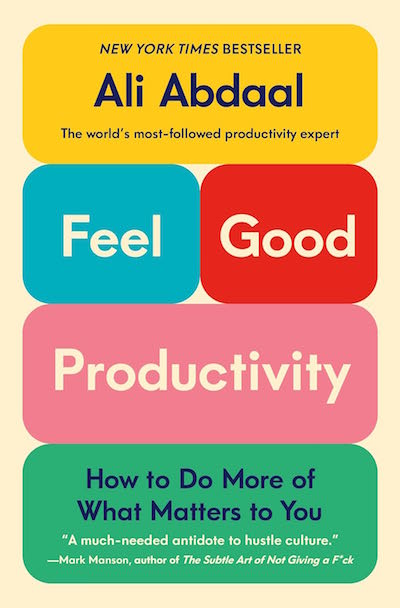
Abdaal’s idea of an “energy investment portfolio” particularly caught my attention. At its most basic, the energy investment portfolio is a deeply prioritized and categorized plan of attack, such as we reviewed when talking about the Eisenhower Matrix in posts like Use the Rule of 3 to Improve Your Productivity and Frogs, Tomatoes, and Bees: Time Techniques to Get Things Done.
Part of this approach is based in clarifying which of the things on your list are your someday “dream” investments (your big, ambitious projects for which you likely have little time right now) and your “active investments” (projects and tasks which you are or should be giving your greatest attention right now).
The key to Abdaal’s energy investment portfolio, an homage to a financial investment portfolio, is limiting the number of projects on your list of “active investments.” There’s only so much you can do right now, and those things better energize you if you don’t want to hide from them.
To explore this concept more before dipping into the book, check out Abdaal’s The Energy Investment Portfolio article and the video below:
This popped to the forefront of my mind as I started reading Cal Newport’s newest book, Slow Productivity: The Lost Art of Accomplishment Without Burnout. (Slow productivity, like the slow food, slow media, and slow travel movements, is about improving life by cutting back on speed and excess, and instead focusing on intentionality and quality.)
Newton caught my eye with an extended discussion of my beloved Jane Austen. Most biographies always paint her as successful because she would sneak in writing efforts in the precious few quiet moments she had to herself. Newport notes that her nephew James Austen’s descriptions of Austen’s writing style seem “to endorse a model of production in which better results require you to squeeze ever more work into your schedule” and calls this a myth.
Indeed, modern biographers have found the reverse, that Austen “was not an exemplar of grind-it-out busyness, but instead a powerful case study of something quite different: a slower approach to productivity.”
As true Austen aficionados know, once Austen (as well as her sister and elderly mother) moved from Southhampton to quiet Chawton cottage, she was able to escape most societal obligations and focus on writing. Quoting from Newton:
This lesson, that doing less can enable better results, defies our contemporary bias toward activity, based on the belief that doing more keeps our options open and generates more opportunities for reward. But recall that busy Jane Austen was neither happy nor producing memorable work, while unburdened Jane Austen, writing contentedly at Chawton cottage, transformed English literature.
Dubious? Look at the entries on this Jane Austen timeline, starting from 1806 onward! And let’s face it, without Austen, there would be no inspired homages, like Bridgerton, and for any of you who just spent the weekend transfixed by the first half of season three, that’s a fate not worth contemplating.
I’m sure I’ll have more to share about this book as I get further on, but I was captivated by the chapter on Newport’s first principle of slow productivity, based on this finding. Principle #1 is simply Do Fewer Things.
Strive to reduce your obligations to the point where you can easily imagine accomplishing them with time to spare. Leverage this reduced load to more fully embrace and advance the small number of projects that matter most.
YOU ARE ALLOWED TO SAY NO
From Abdaal and Newton to past Paper Doll posts, we know we have to focus our attention on fewer but more rewarding things.
We must learn to emphatically say NO.
Yes, you have to pay your taxes (or be prepared to suffer the consequences). You have to obey traffic laws. (Ditto). You have to feed your children (or at least arrange for them to be nourished).
But you do not have to be in charge of cleaning out your company’s break room fridge.
You do not have to buy your spouse’s birthday gift for your mother-in-law. (That’s your spouse’s job.)
You do not have to join a book club or serve on your homeowner association’s planning committee or go to dinner with someone you really don’t want to date!
There are various situations when we should be saying no to taking on new obligations.
- You have more on your plate than you can handle comfortably (or safely for your mental or physical health).
- Your energy level is depleted (or you believe it would be depleted) by anything being added to your obligations.
- The new task doesn’t fit your skill set or interests.
- The task is unappealing because of the situation (the location, other people involved, the monetary cost)
- You just don’t wanna.
In a perfect world, “I don’t wanna” would be a good enough excuse for saying no to things outside of work obligations or happily-agreed-upon life obligations. But few of us can get away with it, Phoebe Buffay excepted.
THE POWER OF SAYING NO
Organizing is as much about saying no as saying yes. Thus, I help clients determine what tangible possessions belong in their spaces and their lives, and which don’t. Some acquisitions were wisely planned purchases; others were picked up on impulse. Some are gifts given out of love, while others were given out of a sense of obligation. Still other things were abandoned on our metaphorical doorsteps (or, in the case of grown children who have flown the nest, things were abandoned in our basements, attics, closets, cupboards and corners).
Just as clients must discern the difference tangible items that make their lives more appealing, robust, and fulfilled vs. those that crowd them out of their spaces, they must also evaluate how acquired activities can clutter their hours and days and diminish enjoyment of other experiences.
Some activities, we choose with enthusiasm; others have been pressed upon us. Perhaps your early May serf imagines that the late September version of you will be delighted to give a speech or take on another committee role. Frustratingly, we always imagine that Future Us will be less busy.
And we have all occasionally been guilted or cajoled into obligatory participation. Some tasks or roles have acceptable tradeoffs. I know that Paper Mommy didn’t enjoy the blessings of being a “room mother” year-after-year, going on field trips to the nature preserve or the science museum and having to help corral other people’s unruly offspring.
But (luckily) she enjoyed hanging out with tiny Paper Doll, and the experience gave her opportunities to tell hysterical anecdotes to her friends. You may not necessarily want to serve on the awards committee, coach your child’s soccer team, or help interview new applicants at work, but the benefits sometimes outweigh the costs. The key, however, is to protect yourself from requests for your time and labor that drain your energy and cause resentment by taking time away from your larger priorities.
If you don’t have the power to say no, freely, then you don’t really have the power to say yes.
Whether stuff or tasks, things should enter your life with your consent. But if you’re unused to declining, it will require effort to exercise new mental muscles. The rest of this post offers strategies to help you avoid being saddled with the clutter of new obligations and eliminate tasks that no longer fit your life, or at least the life you want to lead.
GET RID OF THE GUILT
There are many reasons why people fear saying no, but they almost always come down to fearing others’ reactions.
Sometimes, this has to do with social roles and the belief that our life’s role is to do for others. But remember my Flight Attendant Rule: You must put the oxygen mask over your own nose and mouth before attending to those traveling with you. Overloading yourself makes it impossible to be there for others, whether at your job, in your family, or among your friends or in your community. (And think back to what Abdaal said about investing your energy.)
Guilt also comes from the fear that saying “No” will make you sound mean or unduly negative. The examples below will help you craft responses that are firm in guarding your boundaries but upbeat and positive in attitude so as to cushion your response in a way that feels more like kindness than rejection.
And in each case, the response means “No” without ever verbalizing the word.
FIRST, TAKE A PAUSE
Being polite is a given; being kind is a virtue. Imagine you’re having a rough day. You’re rushing to get to a client meeting but your tiny human is just not interested in putting on her shoes so you can get everyone into the car. Traffic is bad, and just as you get everyone unloaded, a PTA parent corners you with an “assignment.”
It would be instinctual to lash out and say, “Can’t you see I’m drowning? Can’t you see my nice suit for a presentation has dried cream of wheat on it because the tiny humans decided to have a food fight? What in the blankety-blank-blank makes you think I give a good bleep-bleep about organizing school spirit day?! I have no spirit, why should I care if everyone shows up wearing the same colors and why should I be the one to tell them to do it? Is your life so ridiculously so small and pitiful that school colors matter at all?!”
Instinctual, but halfway through that tirade, you’d notice parents making their own tiny humans back away from you, and furtively glancing at one another, and possibly at the school security guard. Your youngest is two, but you can now imagine parents giving you (and your kids) wide berth until all your offspring have graduated. (The one upside is that nobody will ever ask you to volunteer again!)
Instinct can make you blow up; taking a moment to pause and having a plan in place to say no without feeling like you’ve become a wild banshee may preserve your reputation (allow your kids to be able to invite friends over…someday).
NEXT, SHOW GRATITUDE
Start by thanking the person making the request.
Thank them? I can hear you screaming from here.
Yes, get in the habit of thanking people for asking for your help, whether you’re being asked to do something prestigious like speak at a conference or something that’s basically scut work. There are so many people, particularly those who are elderly or in the disability community, whose potential value is ignored by society, so take a moment to appreciate being considered at all.
Don’t thank them just because it’s polite; thank them because it gives you a moment to feel valued and appreciated, and because it forces you to pause and gather your resolve.
Begin with something like:
- I appreciate you thinking of me for this.
- Thank you for making me feel valued in our community (or workplace)
Whatever you say after, you’ve softened the blow:
- Thank you for considering me for this role, but I have to decline [for reasons].
- I’m honored that you thought of me for this, but I have to pass [this time].
PICK AN APPROACH
Not every request requires the same style of response.
Assertive Stance
When dealing with an equal, whether professionally or socially, address the person in a straightforward manner, making clear that the rejection is not about them (or their pet project) but about you.
This way, you avoid them giving all sorts of reasons why they’ll be able to wave their magic wants and eliminate the aspect of the project you see is problematic. But focus on yourself, and there’s little most people can say.
(Obviously, if you encounter someone who thinks you should give up caring for your ill grandmother so you can do bus duty at the child’s school, you have my permission to fake-call your grandmother in front of this person to make them uncomfortable. Really go for it. “I know you need me to change your catheter/clear your feeding tube/relieve you of your unremitting loneliness since Grandpa died, but Betty here says she doesn’t feel you’re as important as bus duty.”)
State your situation without getting into the weeds. Focus firmly on setting and maintaining your boundaries, and use “I” statements to keep the rejection focused on what you can control.
- Unfortunately, I have to decline this opportunity. My plate is already full.
- I’m sorry, but I can’t take on any more projects at the moment.
- I need to focus on my existing priorities right now.
If you’re comfortable expressing your personal needs, expand your explanation to reference that you are focusing on your pre-existing obligations, self-care, and personal well-being. (You can similarly reference your family’s needs. Use that Grandma guilt!)

Photo by RepentAndSeekChristJesus on Unsplash
- I’ve promised my children/spouse that I won’t take on any more activities that keep me away from the family. I’m sure you understand.
- I need to decline this to maintain my work-life balance.
- I’m prioritizing my health and well-being right now, so I can’t commit to anything extra.
- I’ve learned to recognize my limits, and I can’t stretch myself any thinner.
- I’m trying to prioritize my well-being, and taking on more isn’t conducive to that.
- I’ve realized I need to make more time for myself, so I have to decline.
If someone tries to bulldoze through your boundaries, politely but firmly reiterate your stance. Don’t let their lack of civility hamper your skills at standing up for yourself. Be prepared to say something that shuts down the conversation.
- Again, I’ll have to decline. It’s just not feasible for me right now.
- As I said, I appreciate the offer, but I have to say no.
- That won’t be possible.
Gentle Stance
Sometimes, you don’t feel that your professional or social relationship with the requesting individual is equal. For whatever, you may feel that you have to be more diplomatic or offer explanations that the other person will feel is more valid. There are a few ways to approach this.
The best way to approach this is to express enthusiasm for the offer and/or the project or regret that you can’t participate, or a combination, before identifying intractable obstacles. However, be cautious in how effusive you are about your enthusiasm and/or regret so as not to overplay your hand.
- This sounds fascinating. I wish I could say yes, but I have to decline because [reasons]
- I’m sorry, but I won’t be able to participate because [commitments/reasons]
- I’d love to help, but I’m already committed [to several specific prior obligations]
There are two variations to the gentle stance: delaying and being helpful.
Delaying Approach
Instead of an outright no, it may be useful to suggest the possibility of a postponement of your involvement. However, I caution you to only use this method if it’s realistic. It’s not fair to get someone’s hopes up that they will be able to count on you in the future, so only use this method if you believe it’s likely you will be able to help at some later point (or you believe there’s no likelihood you’ll be put in this situation again). It might sound like:
- Ouch, there’s so much on my plate right now, so I’m not able take this on at the moment. Can we revisit this in [specific timeframe, like next semester or 3rd Quarter]?
- I can’t commit right now, but let’s touch base after the holidays and see if my availability has changed.
- I’ve decided to focus more on my career right now. Maybe next season.
Maybe your rejection isn’t because of the project or the time it will take up, but a specific aspect (you don’t want to work with on a committee MaryJane or you’re not comfortable attending the meetings because you’d have to drive home in the dark). Delaying allows you to revisit the request in the future and inquire about changes in circumstantial.
Helpful Approach
Sometimes, your “no” reflects your specific circumstances, but you do value the project, organization, or effort. If so, expand upon the ways of declining above, but add helpful suggestions or offers, like:
- That won’t be possible, but I’m able to send you some bullet points on how I accomplished goals during the eleven (freakin’) years I served as committee chair!
- I’m not able to take on this role, but I’d be happy to donate [X dollars, or my backyard, or my unused bongo set].
- I’m really not qualified, but let me tell you who would be perfect for this.
- So, yeah, based on everything I just said, I can’t do this, but TJ just rolled off the nominating committee and might be looking for some new role.
- I’m not the right person for this, but this is right up Diane’s alley. She’s got an accounting background and is already at the school on Tuesday nights while her daughter is at drama club.
Obviously, don’t volunteer for a lesser role if you have no interest, and don’t suggest other people for something you know they’d be miserable doing (unless you really, really don’t like them).
Sometimes, the helpful approach isn’t for the other person, but for you. There will be times, usually in the workplace, where you will be asked to do something where, though the task is couched as a request, it’s really an order. You won’t be able to say no (and indeed, we would need another whole post, or possibly a book, to cover handling this).
If you’re asked to tackle something where you lack the skill set, the desire, and the time to handle this new project and everything else on your plate, don’t panic. Thank the person for their confidence in you (again, always start from a position of gratitude unless you’re actually ready to quit the job), reiterate all of your (work) obligations and ask for guidance in prioritizing.
Two more options you might want to use, in combination with other responses, are flattery and humor.
Flattery
Sometimes, you can inveigle the other person into deciding they deserve better than what you are (un)willing to give:
- Thank you for thinking of me, but I have too many obligations right now. I wouldn’t want to risk not giving this important project the attention it deserves.
- Thanks, but I would rather decline now than risk doing a mediocre or rushed job. Your [project/committee/idea] deserves someone’s best effort.
Humor
In J.D. McClatchy’s Sweet Theft: A Poet’s Commonplace Book, writer and translator Estelle Gilson shares a translation of a rejection issued by a Chinese economic journal to someone who had submitted a paper.
“We have read your manuscript with boundless delight. If we were to publish your paper, it would be impossible for us to publish any work of lower standard. And as it is unthinkable that in the next thousand years we shall see its equal, we are, to our regret, compelled to return your divine composition and to beg you a thousand times to overlook our short sight and timidity.”

The first time I read it, I laughed at the audacity of the hyperbole (even as I accounted for the cultural expectations likely inherent in the message). However, upon rereading, I recognized that while the Chinese recipient may (or may not) have found the rejection funny enough to be uplifting, humor may help you powerfully judge the “no” to a softer landing.
Lightening the mood makes it easier to state the refusal. You’ll feel more like you’re performing a “bit” and it’s just a touch distracting for the person on the receiving end. You don’t have to actually be funny ha-ha, but goofiness, snark, or hyperbole can dissipate the tension (or give you time to think of an exit line).
- I tried cloning myself, but it did NOT go well. The FBI made me destroy my machine.
- If I agree to this, my cat might stage a protest. Can’t risk a kitty rebellion.
- I’d love to help, but my superhero cape is at the dry cleaners.
Humor help you decline a request, but always employ a light touch to make sure it doesn’t come across as dismissive or rude.
Obviously, the appropriateness of humor will depend on the power structure of your relationship with the person whose request you’re declining and the context of the request. Saying no to your mother-in-law when she asks you to plan her 50th anniversary party is going to take a more deftness than telling your neighbor that you don’t want to join his Star Wars fan-fiction book club.
Remember, you are not asking for permission to say no. You are engaging in polite (and hopefully kind) communication in navigating the tricky negotiations of social and professional diplomacy.
Saying “no” to adding an unfulfilling obligation to your schedule lets you say “hell, yes!” to your priorities, your loved ones, your self-care, and your dreams.
Saying 'no' to adding an unfulfilling obligation to your schedule lets you say 'hell, yes!' to your priorities, your loved ones, your self-care, and your dreams. Share on X

Follow Me